Fall 2026 | Edition 38
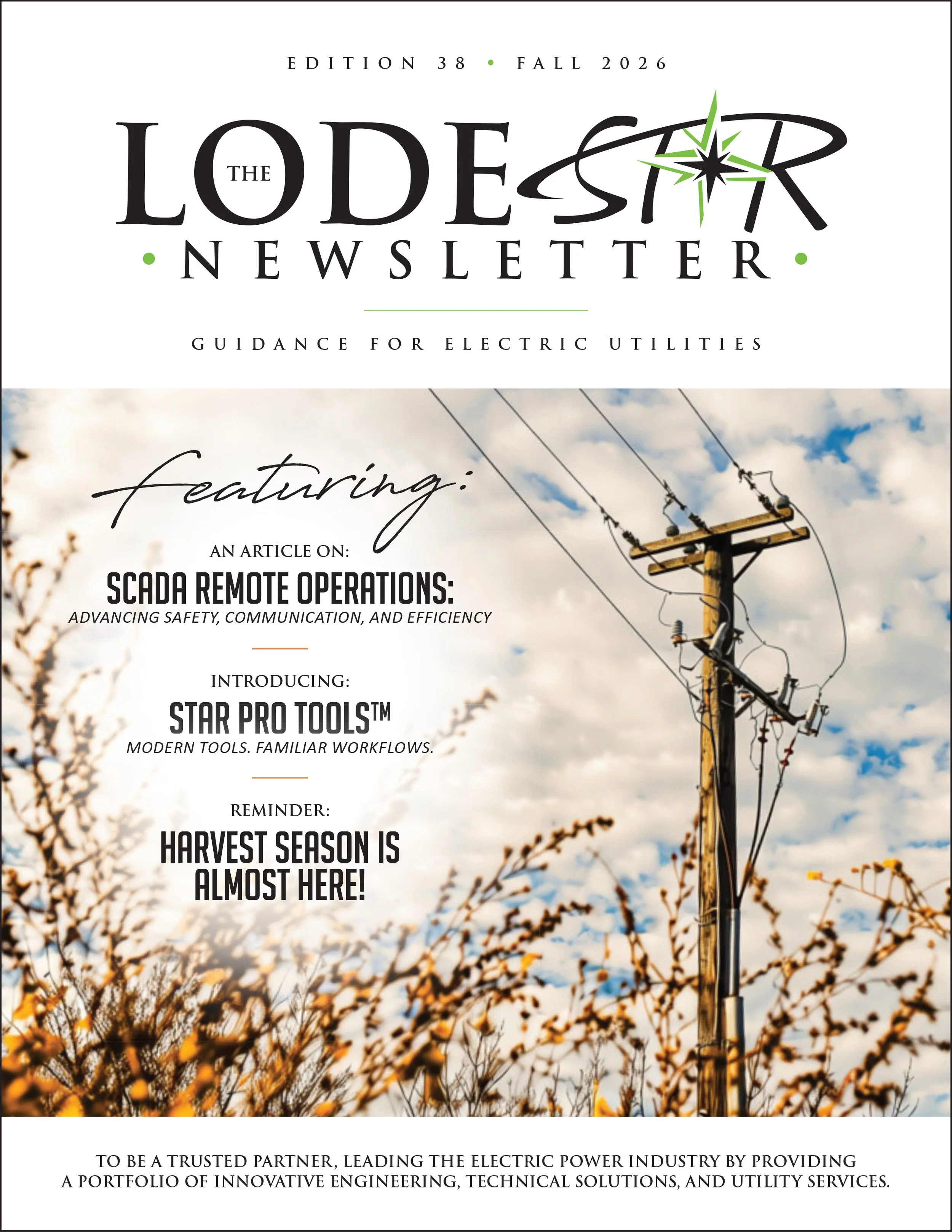


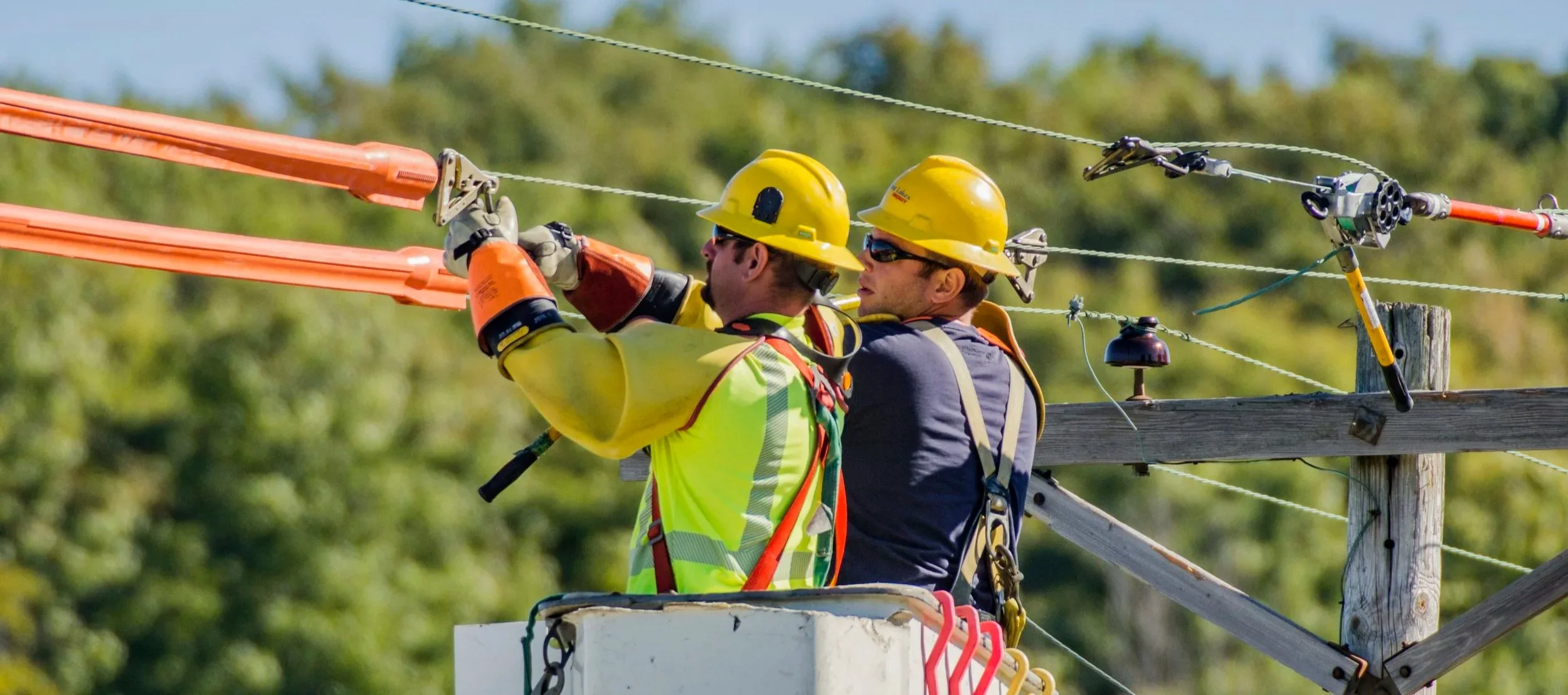
Photo Source: Two Lineworkers Working on Lines Image, Thomas Mann, Glen Energy
SCADA Remote Operations: Advancing Safety, Communication, and Efficiency
As electric utility systems continue to evolve, Supervisory Control and Data Acquisition (SCADA) technology is increasingly valuable for improving operational efficiency and employee safety. Recent upgrades to substations, regulators, and reclosers have expanded SCADA capabilities across the distribution system, allowing visibility into the health of the electric grid and creating new opportunities to perform switching operations remotely while maintaining the highest standards of worker protection.
THE REMOTE ADVANTAGE
One of the most significant advantages of SCADA is the ability to remotely open and close equipment without requiring employees to be physically present at the point of operation. By enabling switching from a safe location, utilities can minimize employee exposure to minimum approach distance (MAD) hazards and arc flash risks. For example, when switching operations are required within a substation, personnel can remain outside the fence while an authorized operator completes the action remotely. The same benefit applies when circuits are re-energized after maintenance or outage restoration.
SAFETY ISN’T REMOTE
While SCADA technology can increase safety, it does not replace established electrical safety practices. A remotely opened device still requires crews to verify a visual open, test for the absence of voltage, and install protective grounds before work begins. Likewise, remote operations require a high degree of trust and coordination between field crews and operators. Employees who traditionally controlled switching directly must be confident that circuits will not be inadvertently re-energized while work is underway.
For this reason, clear communication and documented procedures are central to successful SCADA implementation. Before introducing remote operations, utilities should establish consistent expectations about who can request operations, who is authorized to perform them, and how communication will occur between field personnel and operators. These discussions should involve operations management, engineering, safety personnel, and line crews to ensure the process reflects both operational needs and field realities.
SCADA Safe Work Practice provides this framework. Operator access is limited to designated personnel, and remote controls are restricted to specific functions, such as opening and closing devices, applying hot-line tags, placing equipment in non-reclose (one-shot) mode, and managing ground trip settings.
CLEAR AT EVERY STEP
Another key element of the procedure is structured communication. Every remote operation follows a documented sequence that includes requesting the action, confirming the request, performing the operation, verifying completion, and acknowledging the result. Radio communications must ensure mutual understanding between the parties to prevent critical actions from being overlooked and to ensure all lockout/tagout procedures are followed.
Successful implementation of SCADA work practices depends not only on written procedures but also on employee involvement. Crews should also review draft procedures, ask questions, provide feedback, and participate in hands-on demonstrations before full implementation. By including field experience and rolling out changes gradually, utilities can build confidence in the technology while ensuring application of safe work practices.
THE BIGGER PICTURE
SCADA remote operations mark an important step forward in modern utility operations. When paired with clear communication, documented procedures, and strong employee engagement, these capabilities can improve worker safety, support efficient system restoration, and strengthen operational reliability. As SCADA functionality continues to expand, maintaining a disciplined approach to communication and accountability will ensure that these benefits are realized safely and effectively across the system.
Disclaimer: The information provided is intended for general educational and informational purposes only and does not constitute legal, engineering, or regulatory advice. Each electric utility operates under its own unique circumstances, regulatory obligations, and system conditions, which should be evaluated independently. Utilities should consult with their qualified engineers, legal counsel, insurers, and other professional advisors to determine how applicable requirements, inspection practices, and compliance obligations apply to their specific system.
Introducing:

Modern Tools. Familiar Workflow.
On March 1, 2026, Esri officially retired ArcMap, a platform widely used by utilities for decades. With this change comes an important shift in how electric networks are modeled. The Geometric Network, long used within ArcMap to represent real-world systems, will no longer be supported in ArcGIS Pro. As a result, utilities will need to migrate to the Utility Network moving forward.
Utility Network provides a modern framework to support today's utility operations and data management, as well as future technology enhancements. Utilities that have not yet made this transition will need to begin planning for migration.
At STAR, we have been preparing for this transition by updating and developing tools to preserve and improve existing workflows in ArcGIS Pro. Currently, the new STAR Pro Tools™ add-in includes:
STAKING-2-GIS™, which imports work orders from GeoDigital Stakeout/WorkStudio.
CIS-2-GIS™, which imports customer, meter, and transformer information from your billing system.
Throughout 2026, our GIS team has been working with a select group of beta utilities to refine these tools and migration processes. We anticipate expanding implementation efforts to additional utilities in 2027 and will work directly with clients supported by STAR to develop migration plans that fit their operational needs. We will reach out directly to those who need to begin this transition.