Summer 2026 | Edition 37



Electronic Recloser Testing
Electronic reclosers are intelligent devices that can be programmed to respond differently to a variety of situations. The external control for the electronic recloser sends a signal to the magnetic actuators, instructing them when to operate. The programs in these recloser controls can be adjusted for many scenarios, including customizing the button layout, displaying various system details on the front panel, and setting up alternate profiles for different seasons or to adjust current trip values when providing a contingency feed.
It is recommended to test the external control of electronic reclosers to confirm that the reclosers will react as intended. Misoperation of a recloser can lead to unnecessary or extended power outages or damage to distribution equipment.
Testing is recommended:
When installing new control or when changing control settings – this allows for verification of the control settings and the signal is being properly sent to the electronic recloser.
On a maintenance cycle – these recloser controls operate in all extremes of temperature and weather. Testing the control during a maintenance cycle can help reduce issues that may occur due to aging internal components.
To troubleshoot if there is a failure where the recloser misoperates.
Additionally, alternate profiles should also be tested, as trip settings and sequencing may vary by profile. During the testing phase, multiple components are being verified. This includes confirming:
The recloser will trip the correct number of phases when a fault occurs, and the number of momentary outages that occur before the recloser will de-energize the power line.
The recloser components measuring the current on the power lines are accurate.
The recloser is operating within programmed parameters so as not to cause additional distribution devices to operate.
If a problem is identified during recloser testing, steps can be taken to correct it. Oftentimes, it may be physical damage to the electronic recloser and its control. This can include breaks or cracks in control cables, corrosion buildup, or physical breakdown of the equipment. In other cases, the programmable settings in the recloser may be misentered, necessitating changes to the electronic recloser programming. Additionally, as with a computer, firmware updates are required for the external controls of electronic reclosers to ensure proper operation.
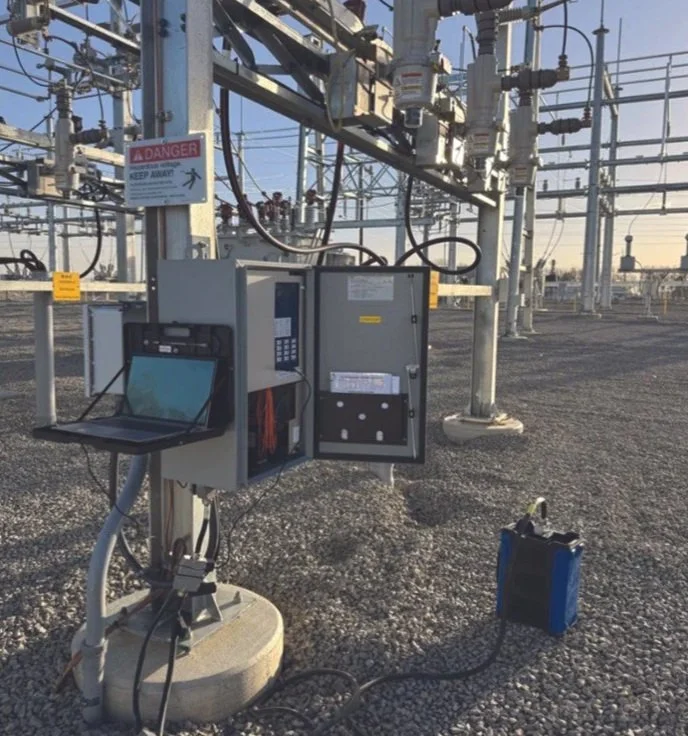
Testing setup for the controls of an electronic recloser
Testing controls for electronic reclosers is performed while the substation and power lines are energized. To prevent accidental operations of the reclosers during testing, line crews will bypass the electronic recloser, effectively removing it from the path of the power flow. While the electronic recloser and its external controls are still energized, a recloser control tester can be connected to the external controls.
The recloser control tester will simulate different current levels and track how quickly the electronic recloser operates. The actual operations of the electronic recloser are then compared to the settings programmed into the external control. If the actual operations match what is dictated by the control settings, the device passes. If there is a mismatch, the recloser control tester will flag the test as a failure, and additional follow-up work is required.
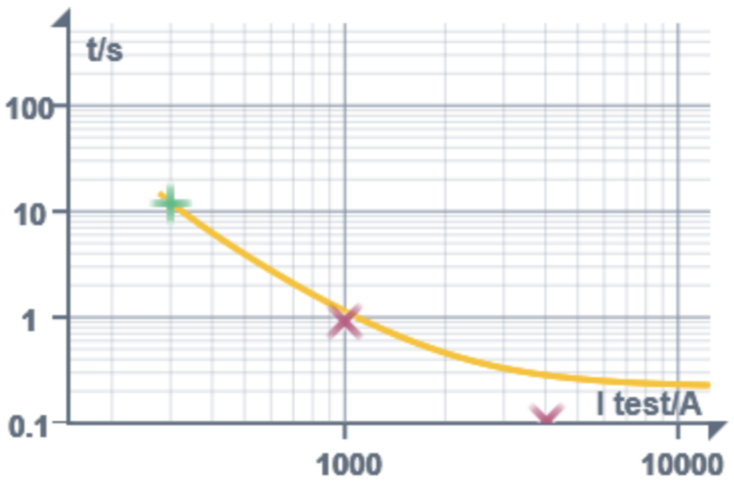
An example of a failed test. The green + means the first operation was correct, but the following two red x's indicate the recloser did not operate as intended.
Special thanks to Blane Walberg, Electrical Engineer, and Chris Schweiss, Supervisor of Energy Management Systems, for their expertise and contributions to this article.
NOTE: The information provided is intended for general educational and informational purposes only and does not constitute legal, engineering, or regulatory advice. Each electric utility operates under its own unique circumstances, regulatory obligations, and system conditions, which should be evaluated independently. Utilities should consult with their qualified engineers, legal counsel, insurers, and other professional advisors to determine requirements, inspection practices, and compliance obligations that apply to their specific system.